Course Catalog
Tools for reproducible computational research: VSCode and Jupyter for interactive coding, Conda and Pixi for environment management, and Git and GitHub for version control and collaboration.

Compact one-day course covering data analysis with Numpy and Pandas, visualization with Matplotlib, and statistical tests using real neuroscience data.
Analysis techniques for high-dimensional electrophysiology data. Learn state-of-the-art methods to analyze recordings from hundreds of neurons during complex behaviors—essential for modern systems neuroscience.
Tools and Techniques for Data Management and Processing in Neuroscience
Testing, data validation, workflow automation, and Linux packaging practices for making scientific Python projects reliable, reproducible, and shareable.

An introduction to analyzing EEG and MEG data with the MNE-Python package

How to identify performance bottlenecks, optimize numerical workflows, streamline data handling, and extend analyses beyond the limits of a single machine
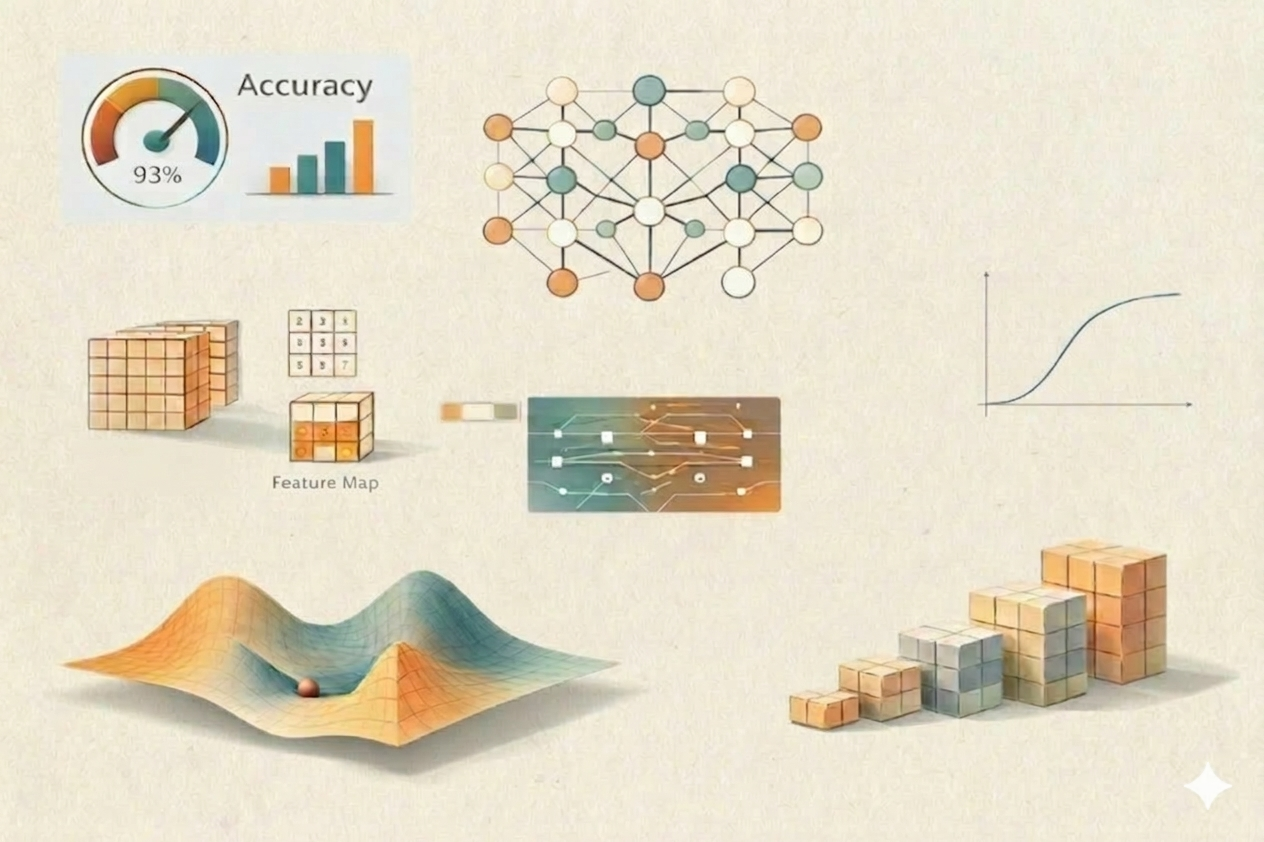
Learn to build, train, and optimize neural networks for data analysis using PyTorch

Create research portfolio using Hugo, HTML, and Bootstrap CSS framework
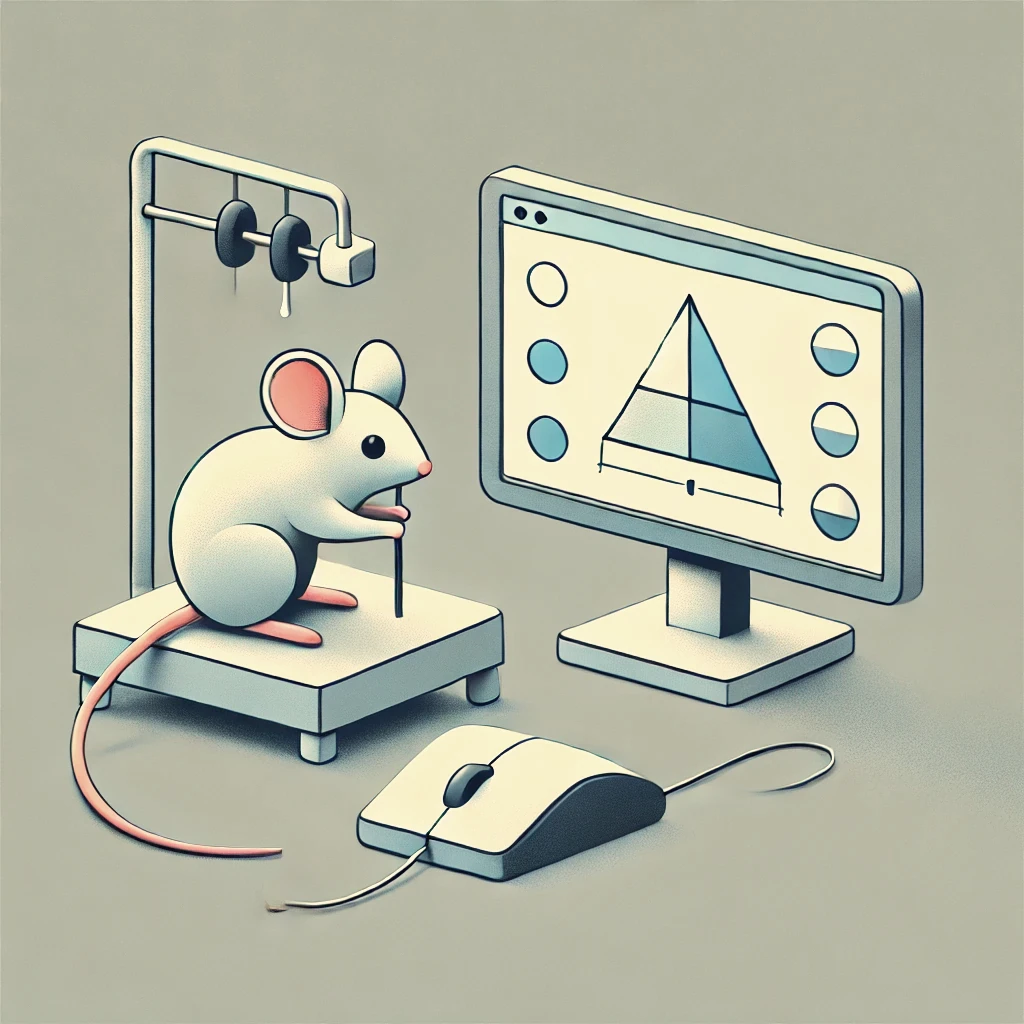
Learn to build modular experiments with Python and PsychoPy using software engineering best practices like automated testing, data validation, and continuous integration.

Explore database management with SQL, DuckDB, HDF5, and JSON to seamlessly integrate and analyze complex neuroscience datasets.
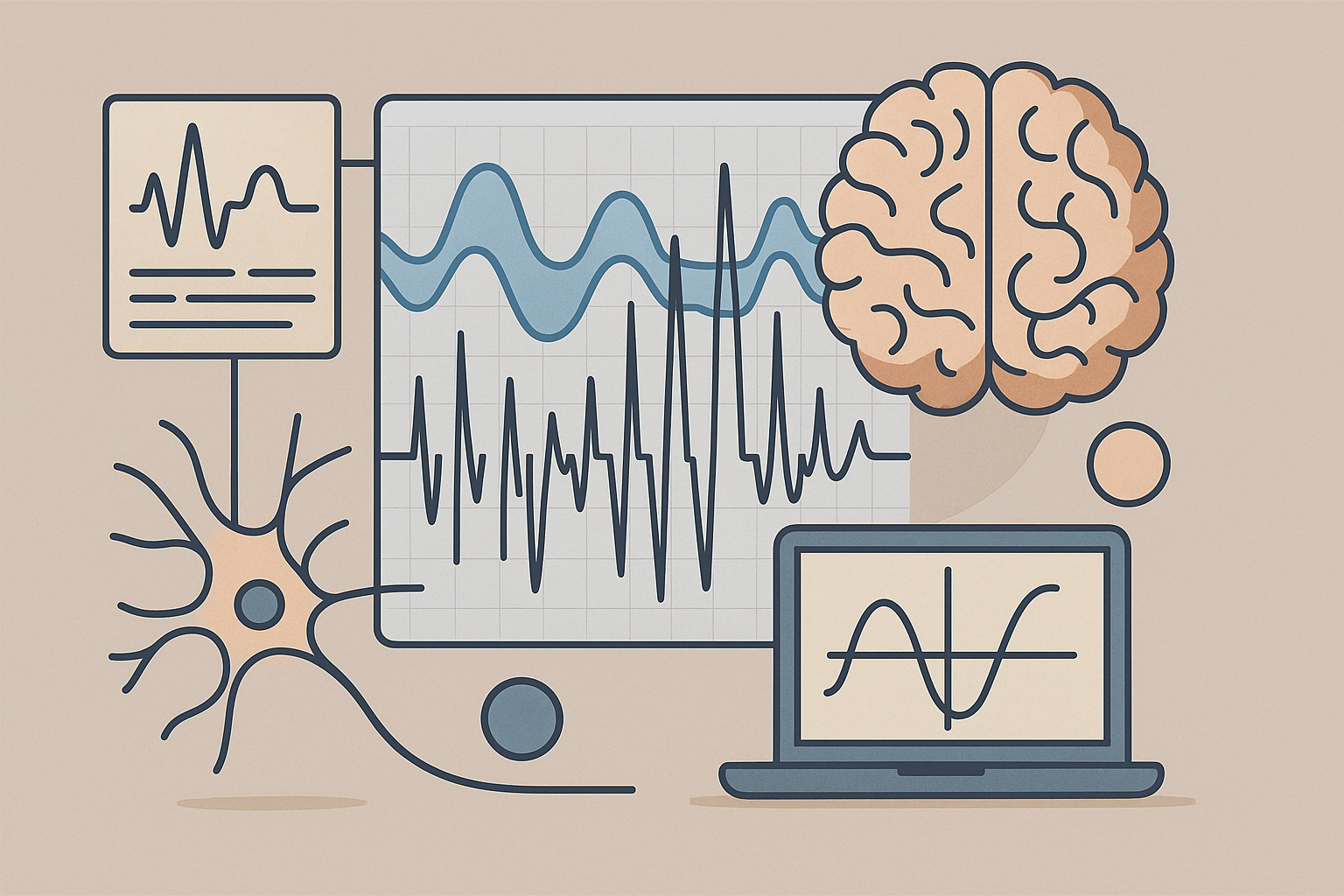
Analyze neural spiking data with Pandas, Seaborn, and Elephant, from spike sorting with SpikeInterface to advanced statistical inference methods.

Detailed introduction to programming with Python including data analysis with Numpy and Pandas, visualization with Matplotlib, and statistical tests using real neuroscience data.

Analyze calcium imaging data from TIFF stacks to neuronal activity using trace extraction, spike inference, and tools like CaImAn and Suite2P.
Introduction to local field potential (LFPs) analysis and signal processing using Numpy, Xarray, Scipy, and specialized tools like Elephant and Neo.

Learn to create reproducible research with data science notebooks, hvPlot visualizations, and automated multi-notebook pipelines using PyDoIt and Papermill.
Learn C++ programming with Arduino microcontrollers for neuroscience experiments, from sensors to efficient real-world code and version control.
Learn to create datasets with version control, track computational provenance and use open science repositories to create more open and reproducible science